June 22, 2026
Smart Locks vs. Traditional Deadbolts: Which Is Right for Your Door?
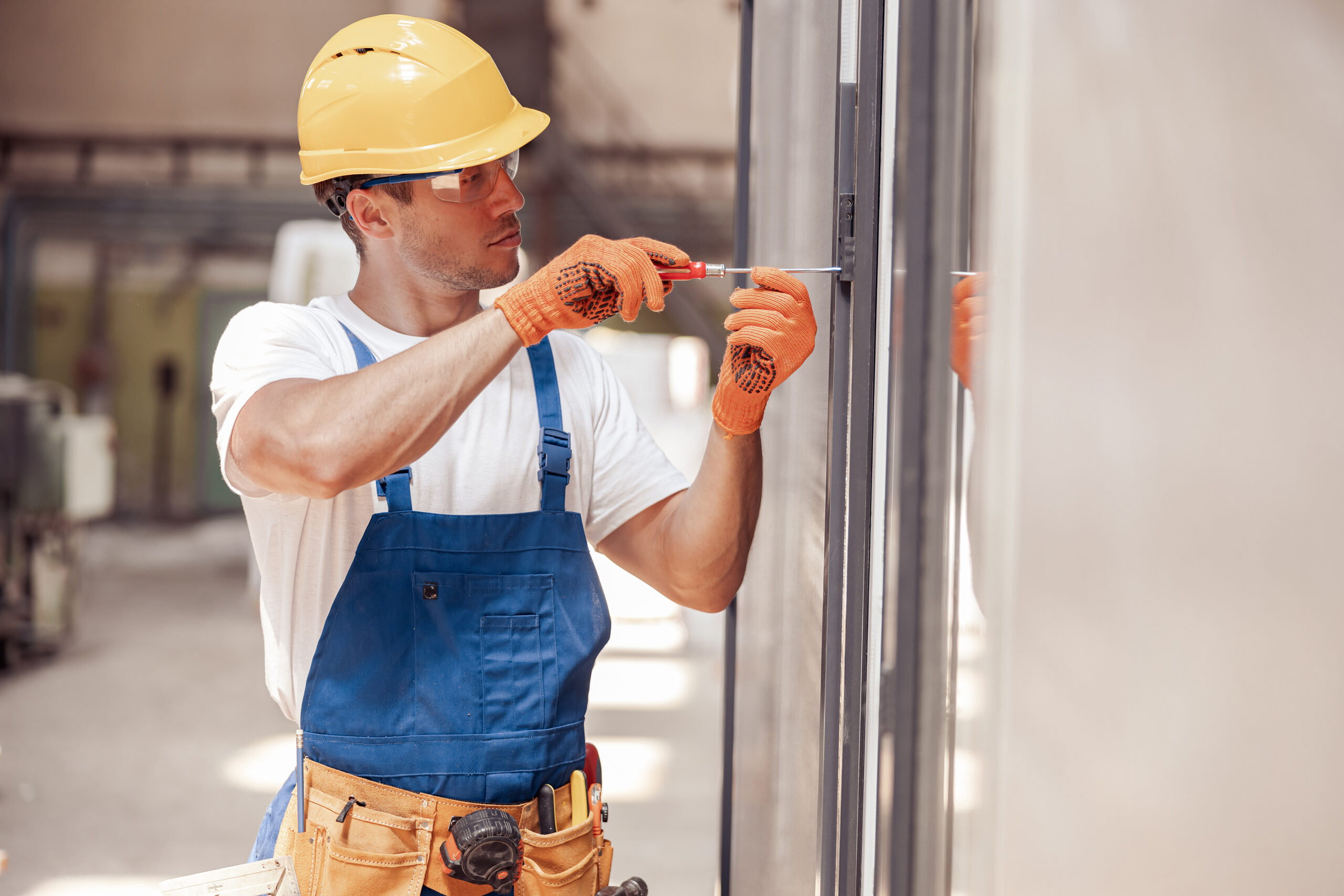
Smart locks are everywhere now, and the marketing makes them sound like a clear upgrade over a “dumb” deadbolt. The reality is more nuanced. Both have real strengths, and the right choice depends on your door, your habits, and what you actually want from your lock. Here’s a straight comparison from a locksmith’s perspective.
The case for traditional deadbolts
A quality deadbolt has one job and does it extremely well. There’s no battery to die, no firmware to update, no app to crash. A solid grade-1 deadbolt with a proper strike plate resists forced entry as well as almost anything on the market. For sheer mechanical reliability, traditional locks are hard to beat — which is why they’re still the backbone of most security setups.
The case for smart locks
Smart locks shine on convenience and control. No more hiding a key under the mat — you can let in a guest, a cleaner, or a contractor with a temporary code and revoke it later. Many auto-lock behind you, so you never leave the door unlocked by accident. For rental properties and busy households, that access control is genuinely useful.
The trade-offs are real, though. Batteries need replacing, electronics can fail, and a poorly chosen smart lock may have weaker physical hardware than a good deadbolt. The security of a smart lock depends heavily on the brand and model — not all of them are built equally.
The best answer is often both
Many of the strongest setups combine a smart lock for everyday convenience with a solid deadbolt as backup, or choose a smart deadbolt that keeps a physical key override. That way you get the convenience of codes and the reliability of a mechanical lock if the electronics ever let you down.
Get it installed right
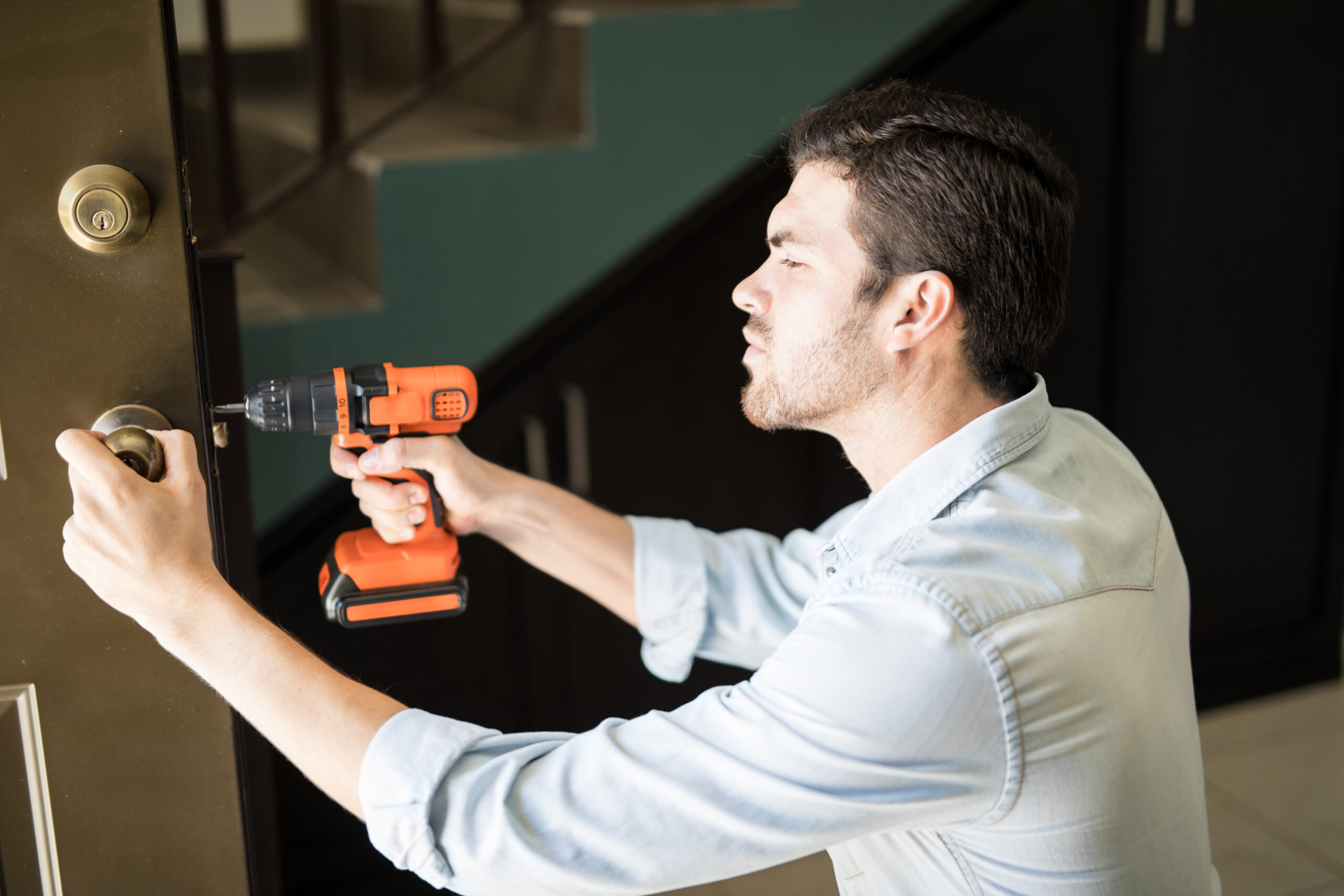
A smart lock is only as secure as its installation and the door it’s mounted on. A misaligned strike or a hollow door undermines even the best hardware. ENM Locks & Doors installs and configures both smart locks and traditional deadbolts across NYC and New Jersey — and will tell you honestly which one fits your door, not just which one costs more.